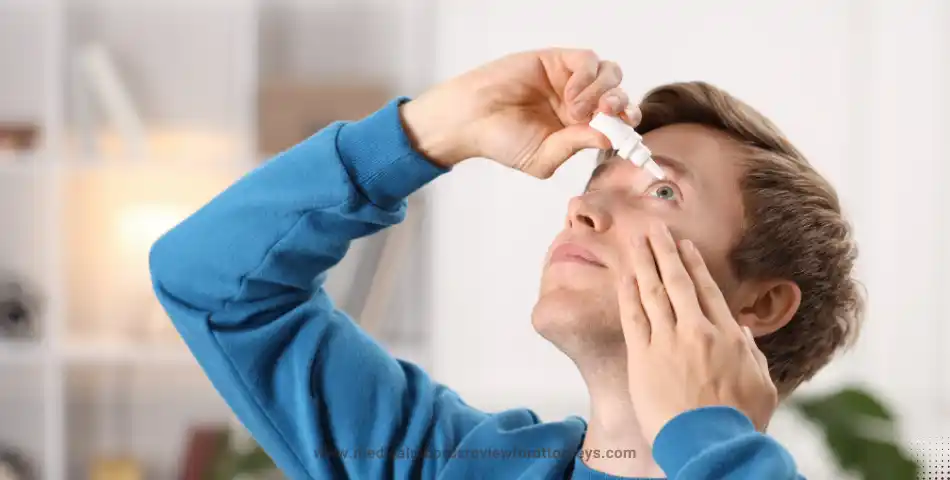
In recent years, eye drops lawsuits have triggered nationwide FDA recalls and a growing wave of product liability lawsuits. In 2023–2025, several over-the-counter eye care products were linked to serious bacterial infections, vision damage, and, in severe cases, permanent blindness. Many affected consumers were unaware that the products they trusted contained dangerous contaminants due to manufacturing failures.
This guide explains the latest FDA contaminated eye drops recalls, health risks, who may qualify to file a eye drops lawsuits, and what legal rights injured consumers have in 2025.
FDA Eye Drop Recalls in 2023–2025: What Happened?
The FDA issued multiple recalls after inspections found unsanitary conditions at manufacturing plants producing over-the-counter eye drops. These recalls followed reports of bacterial contamination, including antibiotic-resistant strains that caused serious infections. The FDA cited violations such as inadequate sterility testing, poor quality control, and unsafe production environments.
Which Eye Drop Brands Were Recalled?
Several brands sold at major U.S. retailers were recalled due to contamination risks. Recalled products included lubricating eye drops, artificial tears, and allergy relief drops distributed nationwide. Consumers are advised to check FDA recall notices and discontinue use of affected products immediately.
Health Risks Linked to Contaminated Eye Drops
Contaminated eye drops can cause:
- Severe eye infections
- Corneal ulcers
- Vision loss
- Permanent blindness
- In rare cases, systemic infections
Individuals with weakened immune systems and post-surgical patients face higher risk of complications.
How Contamination Occurred at Manufacturing Facilities?
FDA investigations found poor sanitation practices, contaminated water sources, and failure to follow sterile manufacturing protocols. These lapses allowed harmful bacteria to enter products meant for direct eye application, creating serious safety hazards.
Who Is Legally Responsible? Manufacturer, Distributor, Retailer?
Liability may fall on:
- Manufacturers (for unsafe production)
- Distributors (for improper handling)
- Retailers (for selling recalled products)
Under U.S. product liability laws, injured consumers may not need to prove negligence only that the product was defective and caused harm.
Can You File a Contaminated Eye Drops Lawsuits?
You may qualify to file a eye drops lawsuits if you:
- Used recalled eye drops
- Suffered eye infections or vision damage
- Required medical treatment
- Incurred medical expenses or lost wages
What Compensation Can Victims Claim?
Compensation may include:
- Medical bills
- Ongoing treatment costs
- Lost income
- Pain and suffering
- Vision rehabilitation expenses
How Attorneys Prove Liability in Eye Drops Lawsuits?
For Eye Drops Lawsuits attorneys rely on:
- FDA recall reports
- Medical records
- Expert medical testimony
- Product batch tracing
- Manufacturing inspection findings
Regulatory Action by FDA & Ongoing Legal Developments (2025 Update)
The FDA continues monitoring eye care manufacturing facilities and enforcing stricter sterility guidelines. Lawsuits are ongoing, with courts evaluating corporate responsibility and consumer safety failures.
Steps to Take If You Used Recalled Eye Drops
- Stop using the product immediately
- Seek medical attention
- Save the product packaging
- Document symptoms and treatment
- Consult a product liability attorney
When to Contact a Product Liability Attorney?
If you suffered infection, vision damage, or long-term eye complications, legal consultation can help determine eligibility for compensation and preserve evidence.
Frequently Asked Questions
Can contaminated eye drops cause permanent blindness?
Yes, severe infections linked to contaminated eye drops may cause permanent vision loss.
Is there a deadline to file a contaminated eye drops lawsuits?
Yes, statute of limitations varies by state. Acting early protects your rights.
Do I need proof the eye drops caused my injury?
Medical records and FDA recall documentation are typically used to establish causation.
Are class action lawsuits available for eye drops recalls?
Some cases may proceed as class actions or mass tort claims depending on injuries.
Can attorneys help obtain medical evidence for claims?
Yes, legal teams work with medical experts to establish causation and damages.
Conclusion
Contaminated eye drops lawsuits highlight how manufacturing failures and regulatory lapses can place consumers at serious risk of permanent vision damage and long-term health complications. FDA recalls between 2023 and 2025 reveal that these incidents were not isolated events, but part of broader quality control breakdowns within pharmaceutical supply chains.
For injured individuals, understanding legal rights, documenting medical evidence, and acting within statutory deadlines can significantly impact the outcome of potential claims. Staying informed about regulatory updates and ongoing litigation is essential, as legal standards and recall scopes continue to evolve.
👉 Explore related product liability litigation updates and medical evidence insights. Learn more: RRR Health Tech!