
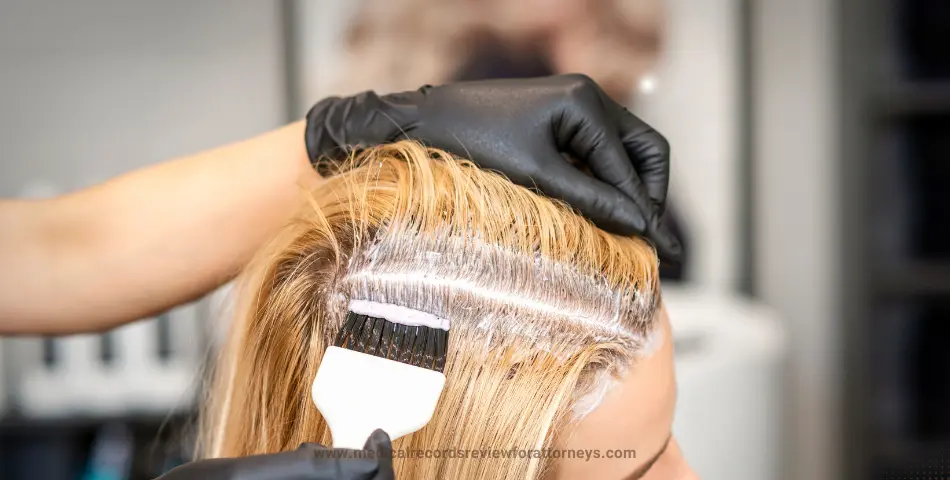
Hair dye litigation has accelerated sharply over the last few years, transforming what was once considered a low-risk consumer product category into a high‑stakes arena of toxic tort and product liability litigation. A growing body of epidemiological research, coupled with increased public awareness and regulatory scrutiny, has led to a surge in claims alleging that long‑term exposure to chemical hair dyes contributes to serious health conditions, including hormone‑related cancers and chronic dermatological injuries.
For attorneys and law firms across the United States, hair dye lawsuits now represent a complex but expanding litigation opportunity. Plaintiffs range from everyday consumers who used permanent hair dyes for decades to salon professionals exposed occupationally to these chemicals on a near‑daily basis. Defendants include some of the largest and most recognizable names in the cosmetics industry, such as L’Oréal, Revlon, Henkel, Johnson & Johnson, and other multinational manufacturers.
This legal guide is designed specifically for U.S. attorneys handling or evaluating hair dye lawsuits in 2026. It provides a detailed overview of the legal theories, scientific foundations, regulatory environment, and litigation strategies necessary to build strong, defensible cases in this rapidly evolving practice area.
Understanding Hair Dye Lawsuits: Legal Background
What Constitutes a Hair Dye Lawsuit?
A hair dye lawsuits are typically a civil action alleging that a hair coloring product caused or substantially contributed to a plaintiff’s injury or illness. These cases most often fall under product liability and toxic tort law.
Common legal theories include:
- Design defect claims alleging the product was inherently unsafe due to its chemical composition
- Manufacturing defect claims based on contamination or deviation from specifications
- Failure to warn claims asserting inadequate labeling or omission of known risks
- Negligence in product testing, formulation, or post‑market surveillance
- Strict liability for placing an unreasonably dangerous product into commerce
- Breach of express or implied warranties regarding safety and fitness for use
Most hair dye lawsuits rely heavily on toxic tort principles, requiring proof of exposure, general causation, specific causation, and damages.
Historical Overview of Hair Dye Litigation in the United States
Hair dye lawsuits is not entirely new. Claims involving allergic reactions and scalp burns date back to the 1970s. However, earlier cases were typically isolated and focused on acute injuries.
Over time, litigation evolved as studies began exploring links between long‑term hair dye use and cancer risks. Regulatory oversight expanded modestly, but enforcement remained limited. In recent years, large‑scale litigation involving hair relaxers and chemical straighteners reignited scrutiny of cosmetic products, opening the door for renewed claims against hair dye manufacturers.
Landmark settlements, coordinated proceedings, and multidistrict litigation have shaped the modern legal landscape, signaling courts’ willingness to entertain scientifically grounded claims.
Harmful Chemicals in Hair Dyes: The Scientific Foundation
Dangerous Ingredients Linked to Health Risks
Chemical hair dyes contain a range of substances that have raised safety concerns among researchers and regulators:
- Para‑phenylenediamine (PPD): A common dye intermediate associated with allergic reactions and potential systemic toxicity
- Formaldehyde‑releasing preservatives: Linked to respiratory irritation and carcinogenicity
- Coal tar derivatives: Historically associated with mutagenic and carcinogenic effects
- Ammonia and peroxide compounds: Cause chemical burns and facilitate deeper chemical penetration
- Resorcinol: Suspected endocrine disruptor with documented skin sensitization risks
Plaintiffs often allege that manufacturers knew or should have known of these risks yet failed to adequately warn consumers.
Permanent vs. Semi‑Permanent Dyes: Legal Distinctions
Permanent hair dyes typically involve oxidative chemical reactions that permanently alter hair structure, increasing exposure intensity and duration. Semi‑permanent dyes generally lack some of the harsher oxidizing agents, resulting in different risk profiles.
From a legal perspective, permanent dyes are more frequently implicated in long‑term injury claims, while semi‑permanent products appear more often in short‑term reaction cases. Regulatory classification under FDA cosmetic guidelines also varies, affecting labeling obligations and defense arguments.
Health Conditions Associated with Hair Dye Exposure
Cancer Risks: Epidemiological Evidence
Several studies have explored associations between long‑term hair dye use and cancers such as breast cancer, bladder cancer, ovarian cancer, and non‑Hodgkin lymphoma. While causation remains contested, plaintiffs rely on cumulative exposure theories, dose‑response analysis, and expert interpretation of population data.
Non‑Cancer Health Injuries
Hair dye exposure has also been linked to:
- Severe allergic contact dermatitis
- Chronic scalp inflammation and hair loss
- Respiratory conditions from inhalation exposure
- Eye injuries and chemical burns
These injuries often form the basis of individual product liability suits.
Occupational Exposure: Hairstylists and Salon Workers
Salon professionals represent a distinct plaintiff category due to prolonged, repeated exposure. Occupational claims often involve stronger exposure evidence and raise unique workers’ compensation and third‑party liability considerations.
Major Hair Dye Lawsuits and Legal Precedents
L’Oréal Hair Relaxer Litigation (2022–Present)
Although primarily focused on relaxers, this litigation reshaped cosmetic injury claims and influenced hair dye lawsuits through shared chemical exposure theories.
Dark & Lovely Relaxer Lawsuits
These cases highlighted marketing practices and alleged failure to warn minority consumers, influencing broader cosmetic litigation strategies.
Johnson & Johnson Hair Care Product Litigation
Claims involving talc and hair care products reinforced scrutiny of cosmetic safety testing.
Clairol Class Action Lawsuits
Consumer protection and mislabeling claims against Clairol contributed to evolving disclosure standards.
Just for Men Lawsuits
Cases involving severe allergic reactions underscored the importance of patch test warnings and adequate instructions.
Other Notable Cases
Numerous individual actions and coordinated proceedings continue to shape precedent nationwide.
Regulatory Framework and FDA Oversight
FDA’s Limited Authority Over Hair Dyes
Unlike drugs or medical devices, hair dyes are regulated as cosmetics, limiting pre‑market approval requirements. Manufacturers bear primary responsibility for safety substantiation.
Recent Regulatory Changes and Proposed Legislation
Increased pressure has prompted calls for enhanced ingredient disclosure and post‑market surveillance.
International Regulatory Comparisons
The European Union and other jurisdictions impose stricter cosmetic regulations, often cited in U.S. litigation.
Building a Strong Hair Dye Lawsuit Case
Establishing Causation: Medical and Scientific Evidence
Causation is typically the most contested element. Successful cases rely on expert testimony, peer‑reviewed studies, and differential diagnosis.
Proving Product Defect or Negligence
Internal documents, safety testing data, and regulatory submissions are critical discovery targets.
Demonstrating Damages
Medical expenses, lost income, pain and suffering, and future care costs must be thoroughly documented.
Statute of Limitations Considerations
Latency periods make discovery rules and tolling doctrines particularly relevant.
Client Intake and Case Evaluation
Identifying Viable Hair Dye Lawsuits
Attorneys should screen for product type, duration of use, and medically diagnosed conditions
Medical Records Requirements
Pathology reports, oncology records, dermatology notes, and exposure histories are essential.
Timeline Reconstruction
A clear medical chronology linking exposure to diagnosis strengthens causation arguments.
Multidistrict Litigation (MDL) and Class Actions
Current Hair Dye MDLs
Monitoring pending MDLs allows firms to position cases strategically.
When to Join vs. File Individual Lawsuits
Severity of injury, jurisdiction, and damages influence this decision.
The Critical Role of Medical Record Review in Hair Dye Cases
Why Comprehensive Medical Analysis Is Essential
Medical records form the backbone of causation, damages, and expert opinions. Key Medical Records to Obtain:
- Primary care records
- Oncology or dermatology files
- Diagnostic imaging and pathology
- Occupational exposure documentation
Medical Chronology Development: Chronologies clarify exposure timelines and disease progression for courts and experts.
Leveraging Professional Medical Record Review Services
How Medical Record Review Services Support Hair Dye Lawsuits?
Professional review services translate complex medical data into litigation‑ready insights.
Benefits for Law Firms Handling Hair Dye Lawsuits
Outsourcing review improves efficiency, consistency, and evidentiary strength.
Selecting the Right Medical Review Partner
Experience in toxic torts and cosmetic injury litigation is critical.
Compensation and Damages in Hair Dye Lawsuits
Types of Recoverable Damages
- Medical costs
- Lost wages and earning capacity
- Pain and suffering
- Punitive damages in egregious cases
Settlement Trends and Verdict Amounts
While outcomes vary, coordinated litigation has increased settlement leverage.
Defense Strategies Attorneys Should Anticipate
Common Defendant Arguments
- Lack of scientific consensus
- Alternative causation
- Regulatory compliance defenses
Countering Defense Tactics: Robust expert testimony and exposure analysis are essential.
Future Outlook: Hair Dye Litigation Trends
- Emerging Scientific Research: Ongoing studies may further clarify cancer associations.
- Predicted Regulatory Changes: Expanded ingredient oversight is anticipated.
- Opportunities for Plaintiffs’ Attorneys: Early engagement positions firms for leadership roles.
Frequently Asked Questions (FAQ)
What is the statute of limitations for hair dye lawsuits?
It varies by state, often subject to discovery rules.
Can salon workers file hair dye lawsuits?
Yes, occupational exposure claims are increasingly common.
What evidence do I need to prove a hair dye injury case?
Medical records, exposure history, and expert testimony are critical.
Are there active class action lawsuits against hair dye manufacturers?
Several coordinated actions and MDLs are currently pending.
How much are hair dye lawsuit settlements worth?
Values depend on injury severity, causation strength, and jurisdiction.
Conclusion
Hair dye lawsuits have emerged as a significant and evolving area of product liability and toxic tort litigation. As scientific research advances and regulatory scrutiny intensifies, attorneys representing injured consumers and salon professionals must be prepared to navigate complex medical evidence, aggressive defense strategies, and evolving legal standards.
Thorough case preparation, particularly in the areas of exposure analysis and medical record review, is essential to building persuasive claims. Law firms that invest in scientific literacy, expert collaboration, and strategic litigation planning will be best positioned to succeed in this competitive space.
Attorneys evaluating potential hair dye lawsuits should act proactively, assess statute of limitations concerns, and leverage specialized resources to strengthen their cases. As hair dye litigation continues to develop, staying informed and prepared will remain critical to achieving favorable outcomes for clients.
Preparing Hair Dye Claims for MDL or Individual Filing?
We support law firms with medical chronologies, narrative summaries, and expert-ready documentation tailored for coordinated litigation. Request litigation support!