
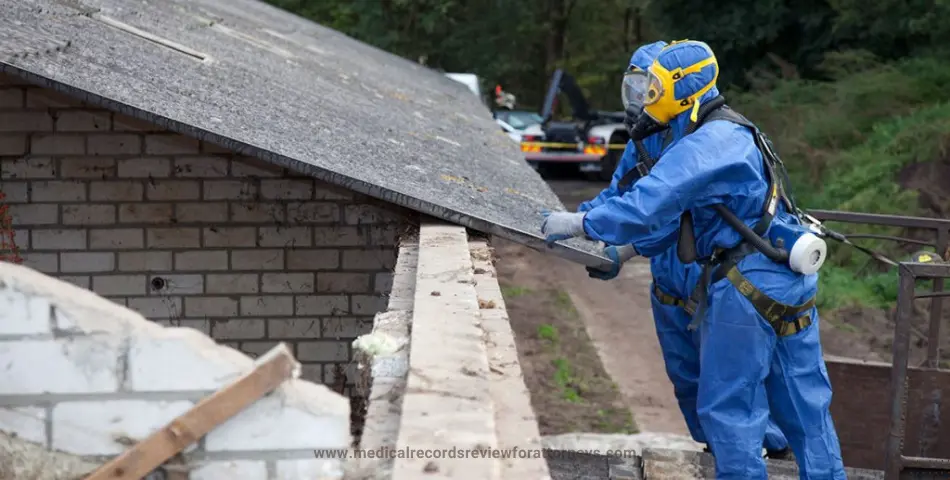
For decades, asbestos lurked in factories, shipyards, and construction sites as an unsung workhorse. Whether stifling flame or lending strength to a board, it earned respect until researchers traced it to deadly diseases such as mesothelioma, a rare, fast-moving lung cancer.
Today, many still breathe tainted air because older buildings and machinery containing the fiber haven’t been removed, leaving a fresh wave of workers exposed under the shadow of outdated equipment.
This piece explains how asbestos exposure slips into daily tasks, the science behind mesothelioma, and the practical steps employees can take to guard themselves on the job and later in the clinic.
Understanding Asbestos and Its Uses in Various Industries
As a bundle of naturally tough silicate strands, the mineral withstands heat, chemicals, and time, traits that once turned it into a contractor’s favorite ingredients for:
- Construction materials (insulation, roofing, cement)
- Shipbuilding
- Automotive parts (brake pads, clutches)
- Manufacturing
- Fireproof clothing and gear
Those uses clustered around noisy shops and steel-grey workplaces until health officials proved the link between stray fibers and crippling illness.
How Occupational Asbestos Exposure Occurs in the Workplace
Occupational asbestos exposure happens when workers inhale or ingest asbestos fibers released during the handling, cutting, sanding, or demolition of asbestos-containing materials. These fibers can remain airborne for hours, easily entering the lungs and leading to long-term health complications.
Even minimal exposure, under certain conditions, can be dangerous. Questions like “How much asbestos exposure is dangerous?” and “How much asbestos exposure causes cancer?” are complex, as no amount of asbestos exposure is considered completely safe.
High-Risk Occupational Asbestos Exposure
Certain occupations are more vulnerable to asbestos exposure, including:
- Construction workers
- Electricians
- Shipyard workers
- HVAC technicians
- Mechanics
- Pipefitters
- Insulation workers
- Demolition crews
People in these trades routinely disturb old pipes, plaster, or insulation laced with asbestos, raising the odds that stray fibers will be inhaled.
Health Effects of Occupational Asbestos Exposure: What You Should Know
Breathing in asbestos at work can trigger serious diseases like:
- Mesothelioma:A cancer that targets the lining around the lungs, belly, or heart
- Asbestosis:A progressive lung disease that causes persistent breathlessness
- Lung cancer
- Pleural plaques
Typical signs of mesothelioma include chest pain, breathing trouble, fatigue, and sudden weight loss. Many affected workers wonder, “When will I feel sick?”—for mesothelioma, damage often stays hidden for 20 to 50 years.
Regulations and Safety Measures in the Workplace to Prevent Asbestos Exposure
To keep workers safe, agencies like OSHA set clear rules that every job site must follow:
- Mandatory asbestos inspections.
- Routine air quality checks.
- Personal protective equipment (PPE) usage.
- Controlled removal of any material that contains asbestos.
- Ongoing training for all employees.
Sticking to these steps cuts the chance of meeting asbestos fibers. So, if you ever think, “I sanded asbestos; am I in trouble?”, two things matter-exposure level during the job and how well ventilation and safety gear worked then. The safest move is to contact a pro and consider medical testing right away.
Diagnosis and Medical Monitoring for Occupational Asbestos Exposure
People who fear they breathed in asbestos should get a quick blood test and plan for regular health checks that spot problems early. The doctor’s tools include:
- Chest X-rays.
- CT scans.
- Lung function tests.
- Special exams for mesothelioma using both images and samples.
Catching mesothelioma while still small opens the door to treatment options such as chemotherapy, radiation, immune drugs, and even surgery. Sadly, long-term survival odds stay low, so early diagnosis matters more than ever.
Legal Rights and Compensation Options Available for Occupational Asbestos Exposure
If you’ve breathed in asbestos fibers on the job, you might ask yourself whether you can take legal action. For many victims, the short answer is yes. You can pursue:
- Workers’ compensation benefits
- A personal injury lawsuit
- A claim from an asbestos trust fund
- A wrongful death claim on behalf of a family member
Through these routes, you seek money for hospital bills, lost pay, pain, and anxiety. A seasoned mesothelioma attorney can clarify which options suit your case and guide you in every step.
Conclusion
Exposure to asbestos at work puts both your health and your finances at risk. By learning how harm occurs, spotting warning signs, and knowing your legal rights, you start to protect yourself and your future. If you or someone closely faced asbestos on the job, don’t wait-talk to a doctor, get tested, and reach out to a qualified lawyer.
FAQs
What is occupational asbestos exposure?
Occupational asbestos exposure happens when workers inhale or swallow microscopic fibers while on the clock in places where old insulation, flooring, or brake parts still contain the mineral.
2. What is the protocol for asbestos exposure?
The protocol tells you to leave the area, alert a safety officer, get a medical check, and keep a written record so the incident is clear if you file a claim later.
3. How much exposure to asbestos does it take to get mesothelioma?
Because asbestos fibers linger in the lungs for decades, experts agree there is no truly safe level of exposure. Even a brief encounter in a contaminated attic or shipyard can eventually trigger the disease, especially for people already at high risk.
4. What occupations cause mesothelioma?
Workers on construction sites, in shipyards, coal and metal mines, plumbing shops, boiler rooms, and heavy manufacturing lines faced asbestos almost every day, so those jobs remain the clearest links to the cancer.
5. Which type of asbestos causes mesothelioma?
Fiber type matters. While chrysotile (white asbestos) is still widely used, the amphibole veins-crocidolite and amosite-are sharper and longer, making them more likely to pierce lung tissue and spark tumors.
Worried about past asbestos exposure at work?
Get a free consultation today, review your medical records with our experts, and learn about potential claims or benefits you may still deserve. Reach now, no cost up front.