
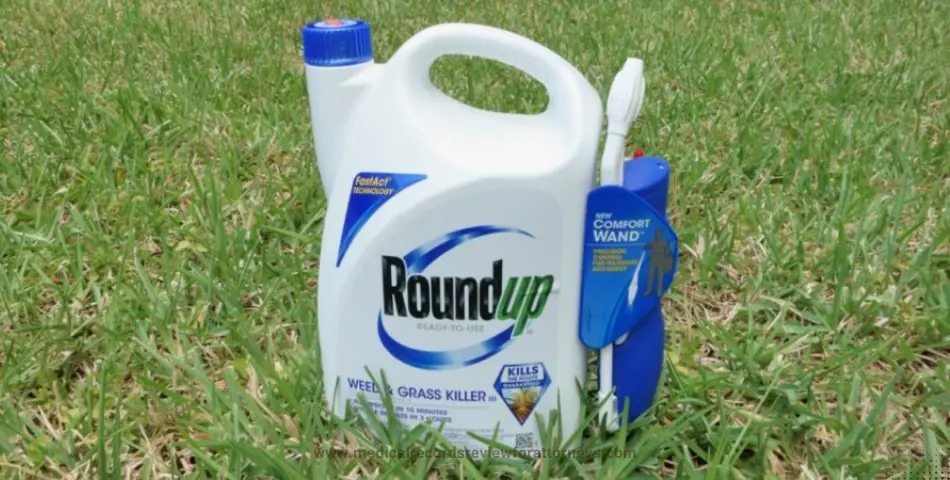
On February 17, 2026, Bayer AG subsidiary Monsanto announced a $7.25 billion nationwide class action settlement to resolve current and future claims that Roundup exposure causes non-Hodgkin lymphoma (NHL). The settlement, which awaits preliminary court approval, would create a long-term claims program covering individuals exposed to Roundup before the announcement date who have, or later receive, a qualifying NHL diagnosis within a 16-year window following final approval.
For attorneys screening current or prospective Roundup clients, this settlement changes the practical calculus: eligibility screening, documentation standards, and claims-tier positioning now matter more than ever in determining case value.
Handling Roundup Client Intake?
Screening a Roundup claim starts with the medical record. Get a physician-reviewed chronology that connects diagnosis to exposure history before you commit to a case.
- Handling Roundup Client Intake?
- Screening Client Eligibility
- High-Value Client Profiles
- How Compensation Is Determined
- Building the Claim File: Documentation Checklist
- Common Screening Mistakes to Avoid
- Frequently Asked Questions
- What does the $7.25 billion settlement mean for new claims?
- What documentation most strengthens a claims-tier position?
- How is compensation determined under the settlement?
- Are Roundup claims still being filed outside the settlement?
- Should every eligible client be steered toward the settlement program?
- Conclusion
Screening Client Eligibility
Before advancing a Roundup claim, confirm the client meets the core eligibility factors:
- Qualifying diagnosis: Non-Hodgkin lymphoma is the primary qualifying cancer, chronic lymphocytic leukemia and multiple myeloma may qualify depending on case specifics
- Exposure history: documented, significant Roundup use – occupational, agricultural, landscaping, or consistent residential/home use. A single high-exposure incident can also be sufficient
- Exposure-to-diagnosis timeline: most viable cases involve exposure over a period of years preceding diagnosis – confirm this timeline early, as it directly affects causation strength
- Medical documentation: complete records of diagnosis, treatment history, and any documentation connecting the case to Roundup exposure
- No prior release: confirm the client has not already accepted a prior individual settlement or release covering this claim
High-Value Client Profiles
Certain client backgrounds tend to produce stronger exposure documentation and case value:
- Agricultural workers: Farmers, farmhands, and crop management specialists with employment-based exposure records
- Landscapers and groundskeepers: Routine occupational application, often with employer documentation
- Home gardeners: Weaker documentation typically, but viable with purchase records and consistent-use history
- Golf course maintenance staff: Routine occupational exposure, often with employer safety records available
How Compensation Is Determined
Under the settlement’s claims-tier structure, and in individual litigation outside the settlement, compensation depends on:
- Cancer diagnosis and its severity/subtype
- Documented length and intensity of Roundup exposure
- Age at diagnosis
- Quality-of-life impact and ongoing treatment needs
- Healthcare costs and lost earnings
Bayer has allocated over $10 billion in total across settlement and litigation resolution to date, though individual case and claims-tier values vary significantly based on the factors above.
Let Us Build the Claim File
A clear, source-cited medical chronology is often what separates a well-positioned claims-tier assignment from a contested one.
Building the Claim File: Documentation Checklist
- Complete Medical Records: diagnosis, treatment history, and all cancer-related visits and evaluations
- Exposure documentation: purchase records, employment history, or other verifiable evidence of Roundup use
- Expert consultation: oncology and toxicology opinions to strengthen the causal link between exposure and diagnosis
- Timeline compliance: confirm applicable state deadlines, since the settlement’s claims program does not override individual state filing requirements for claims outside its scope
Individual Litigation vs The Settlement Claims Program
Not every client’s best path runs through the settlement program. Attorneys should weigh both routes at screening:
| Factor | Settlement Claims Program | Individual Litigation |
| Timeline to resolution | Faster once approved – structured claims process | Slower – subject to court schedules and discovery |
| Compensation certainty | Predictable, tier-based amounts | Variable – can exceed tier amounts in strong cases, or fall short in weak ones |
| Evidentiary burden | Lower – streamlined eligibility criteria | Higher – full causation case must be built and defended |
| Best fit for | Clients with adequate but not exceptional documentation | Clients with severe diagnoses, strong documentation, and clear exposure history |
This decision should be revisited as documentation is gathered – a case that looks settlement-appropriate at intake can turn out to warrant individual litigation once full medical records and exposure history are in hand.
Common Screening Mistakes to Avoid
- Accepting a client’s self-reported exposure history without verifying it against purchase records, employment history, or other documentation
- Treating the settlement’s eligibility criteria as identical to the criteria for individual litigation – they are not the same standard
- Failing to confirm whether a client already accepted a prior release, which can disqualify an otherwise strong claim
- Underestimating how much a complete, source-cited medical chronology affects claims-tier placement incomplete records are one of the most common reasons a claim is assigned a lower tier than the underlying diagnosis would support
- Missing state-specific filing deadlines for clients who fall outside the settlement’s scope, on the assumption that the settlement pauses all applicable statutes of limitations
Frequently Asked Questions
What does the $7.25 billion settlement mean for new claims?
The settlement, once approved, creates a long-term claims program for qualifying NHL diagnoses tied to pre-announcement exposure, running for 16 years following final approval. It does not eliminate individual litigation for claims outside the settlement’s scope – attorneys should evaluate both paths when screening a client.
What documentation most strengthens a claims-tier position?
A complete, source-cited medical chronology connecting exposure history to diagnosis timeline is typically the strongest single piece of documentation, followed by verifiable exposure records (purchase history, employment documentation).
How is compensation determined under the settlement?
Claims are assigned to tiers based on cancer severity/subtype, age at diagnosis, exposure duration, and documented health impact – factors that mirror how individual litigation has historically valued these claims.
Are Roundup claims still being filed outside the settlement?
Yes. Individuals excluded from the settlement’s scope, or who prefer to pursue individual litigation, continue to file claims in both federal and state courts.
Should every eligible client be steered toward the settlement program?
Not necessarily. The settlement offers speed and predictability, but clients with severe diagnoses and strong, well-documented exposure histories may recover more through individual litigation. This is a case-by-case evaluation, not a default recommendation.
Conclusion
The 2026 Roundup settlement represents a significant shift in how these claims are resolved, but it does not replace the underlying work of building a defensible case file. For attorneys, accurate eligibility screening and complete medical documentation remain the two factors most likely to determine a strong outcome, whether a claim proceeds through the settlement’s claims program or individual litigation.