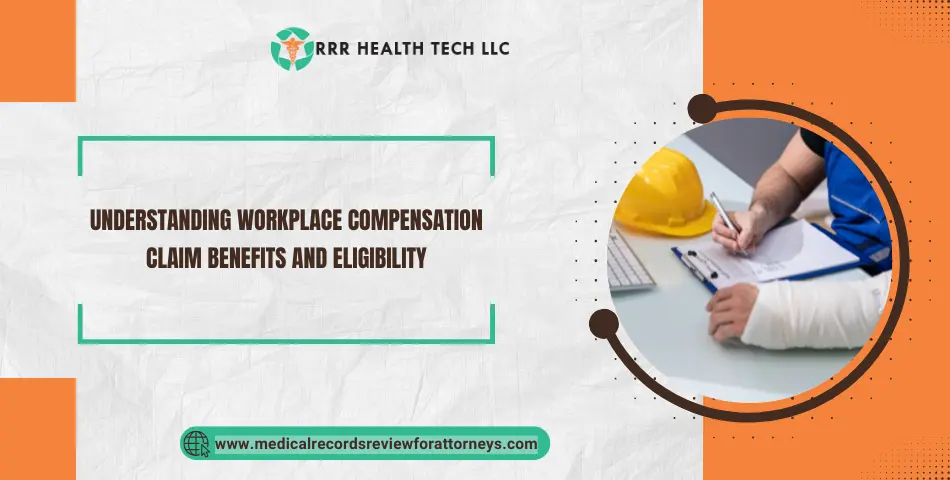
Injuries and accidents in the workplace have the potential to drastically change the lives of workers and the lives of their family members. Due to the occurrence of such incidents, it is important to file a Workplace Compensation claim so that workers get the medical and financial support that is rightfully theirs. For law firms and attorneys, it is beneficial to comprehend the procedure, the qualifications, and the perks associated with such claims in order to provide the needed services effectively.
Work accidents, workplace injuries, and injuries at work claims, regardless of the complexity of the claim, the right legal action is vital for fair compensation.
What is a Workplace Compensation Claim?
A Workplace Compensation Claim is a legal claim that is made by employees who suffer from injuries or illnesses as a direct cause of their work. These claims provide financial support to the person in form of medical bills, the earnings that they may miss due to the injury, and the rehabilitation that may be needed, and in some circumstances, they may also provide support for the long-term disability that a person sustains as a result of the injury.
As a workplace injury claim may provide cover for the initial hospital expenses, the claim process of work injury compensation settlement may cover the replacement of the wage or the treatment that is provided at a later stage. Cases that attorneys typically work on vary from simple workplace accident claims to intricate cases that involve an employer negligence lawsuit.
Frank injury and illness and Workplace Compensation Claim
The deal here is that not all injury and illness qualifies for a Workplace Compensation Claim. Usually, this depends on:
• Employment Status: Employees cover this (not independent contractors).
• Work-related Injury or Illness: The injury must have been sustained while engaged in work-related activities.
• Reporting Within a Specified Time: In a majority of states, there is a requirement to report an incident to relevant authorities within a specified window.
For instance, when someone tries to file an injury work claim for slipping while in the office, that individual is required to demonstrate that the injury was a direct result of work-related activities. Attorneys tackle other complicated matters, such as a hostile work environment claim that may need a working case that the employer was negligent or misconducted to a certain threshold.
The positive side of an employee filing a Workplace Compensation Claim
It removes a lot of burdens and provides recipients with financial security. In this case, an employee is granted:
Medical Coverage
Emergent rehabilitation is guaranteed to sustained injuries and a claim for workplace accidents will cover all the relevant costs.
Wage Replacement
An employee becomes partially or completely unable to work due to an injury and qualifies for workers comp or direct work injury compensation.
Disability Benefits
Permanent or temporary disability benefits result from long term injuries.
Legal Protection
Employees no longer have the options to sue their employers after they file a Workplace Compensation Claim, however, in extreme cases the lack of cover might require an employer neglect lawsuit.
Peace of Mind
Employees do work injury lawsuits or claim accident work settlements, knowing the whole process; they do feel a certain degree of confidence as their rights are being advocated for.
Common Types of Workplace Claims
Lawyers who practice in the area of workplace claims have to deal with a multiplicity of cases, some of which include:
- Accident at work claims due to falls or malfunctioning equipment or other unsecure conditions.
- Injury at work claims which include all forms of injuries, including those caused by repeated motion.
- Workplace injuries compensation claim whereby the lawyer in question advocates for the worker in terms of the payment of the compensation claim for both the immediate and the anticipated future medical costs.
- Workplace injury claims lawyer who does work on benefits being denied or any other alternate routes that the claims benefits could lead towards.
- Negligence of the employer in lawsuit claims, that is, lack of cover for workspaces that are considered to be dangerous.
- Claims centres aimed at obtaining legal cover such as filing for being harassed and not defended, thus considered harassed.
Attorneys or “accidents at work” lawyers have an especially important role in providing legal counsel to clients on both the workers comp claims and the workers comp claim litigation strategy.
Difficulties in Workplace Compensation Claims
Obstacles to successful completion of a claim with an employer include:
- Denial by insurers, which is to say the claim being made to the employer, is plausible on the basis that there is a lack of proper documentation and undue emphasis is placed on the trust of disclosing all of the documentation required.
• Delayed Payments – with respect to concerns at the workplace, victims have to endure prolonged waits before they can get the compensation they deserve.
• Employer Disputes – It is not uncommon for employers to dispute that the injury is work-related.
• Settlement Disputes – Undoubtedly, disputes over the compensation for work-related injuries and the settlements for work injury lawsuits come about as some of the most contentious.
This is the situation where attorneys come in to assist and defend employees in order to get the most out of benefits.
Conclusion
A Workplace Compensation Claim is a lot of things. It is far more intricate than just a series of documents waiting to be filed. It is a protective shield of employees who have suffered injuries during the course of their work. Attorneys work on the claim to truly obtain the benefits for their clients. Such benefits may come in the form of ‘Employer Negligence Compensation’, compensation for injuries at workplace, compensation for workplace injuries, and in some cases, attorney’s fees are claimed from the employer.
FAQs
Who is able to file for a workplace compensation claim?
If filing is done in accordance with a certain format, any employee who suffers a workplace injury or contracts a disease in the course of his or her work may be eligible to file a Claim for Workplace Compensation.
What benefits are I entitled to on a workplace compensation claim?
Covered benefits include medical expenses, income benefits, rehabilitation expenses, and in some exceptional cases, compensation for a permanent disability.
Can my workplace compensation claim be denied, and what should I do if it is?
Yes, claims can be denied for reasons like late reporting or disputed evidence. If denied, employees should consult an attorney experienced in workplace accident claims or workplace injury lawsuits to appeal or pursue alternative legal remedies.
If your law firm is dealing with complex workplace compensation claims or work-related injury litigation, our legal-medical consulting team is ready to assist in documentation, claim assessment, and preparation for litigation.