Introduction
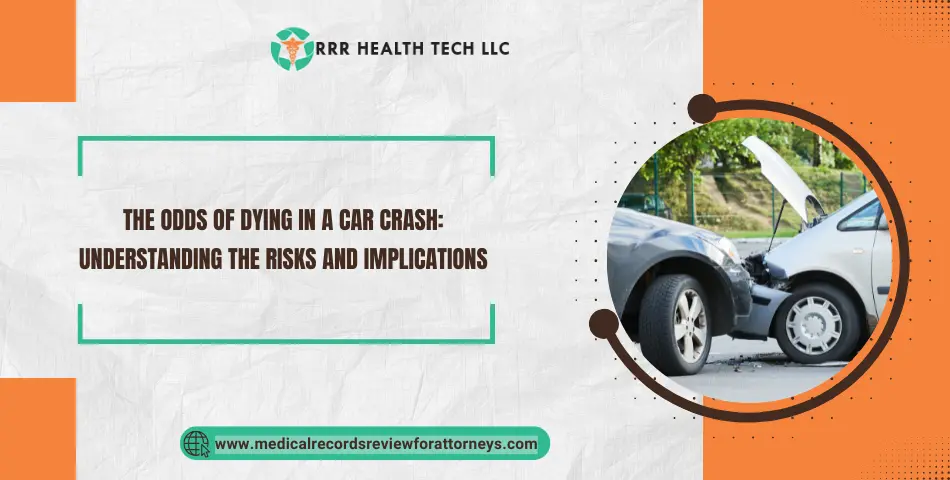
Every time we buckle up and hit the road, we face a small but real chance that the drive could end in car crash tragedy. Seeing these odds helps us choose safer habits and speaks to how seriously we should treat seat belts, sober driving, and vehicle maintenance. In the sections that follow, well break down recent fatality numbers, discover what raises or lowers those figures, and point out how careful review of medical files can affect claims people file after a serious Car Crash.
Understanding Car Crash Statistics
National Statistics on Car Crash Fatalities
- Current Data: The National Highway Traffic Safety Administration estimates that roughly 38,000 Americans lose their lives in motor-vehicle crashes every year.
- Fatality Rate: When looked at over an entire lifetime, the chance of dying in a collision comes out to about 1 in 107.
Factors Influencing Car Crash Fatalities
- Driver Behaviour: Things like texting, going too fast, or drinking before getting behind the wheel skyrocket the chance a crash will be deadly.
- Vehicle Safety: A cars age, size, and safety gear, from air bags to tough frames, can tip the survival odds in a wreck.
- Road Conditions: Rain, potholes, or jammed traffic can turn an ordinary collision into a worse disaster.
The Odds of Dying in a Car Crash: A Closer Look
Demographic Variations
- Age and Gender: Young men, especially those 16 to 24, show up in the fatality numbers far more than others.
- Geographic Differences: Crashes in rural places often kill more people because roads are fast and help takes longer to arrive.
Comparison with Other Risks
- Other Causes of Death: the odds of dying behind the wheel beat your chances of losing a life to diabetes or flu.
- Contextualizing the Risk: Seeing car wreck risks beside everyday activities helps people gauge how careful they really need to be.
The Role of Medical Record Review Services
Importance in Personal Injury Cases
- Thorough record reviews spell out each visit, test, and diagnosis, giving lawyers the clear story they need after a crash.
- When the facts are laid out plainly, attorneys can push harder for fair payment on behalf of hurt clients.
Benefits of Medical Record Review Services
- Lawyers save hours because the review team sorts stacks of paperwork while the office plans the next courtroom move.
- Notes from medical experts add weight to every argument, showing judges and juries that the injuries are real and lasting.
Case Studies
Case Study 1: Distracted Driving Accident
- A teenager crossed the centre line while texting and crashed head-on, killing himself and seriously injuring another driver.
- Conflicting accounts from bystanders made it tough for the survivor’s family to pin blame on the texting teen.
- The lawyers review team dug through hospital files and crash-scene medical notes, proving the teens phone use and the harm his actions caused.
Case Study 2: Drunk Driving Incident
- A man walking home was slammed by a pickup whose driver had downed several beers, leaving him with broken bones.
- At first the insurance defence shrugged the claim away, saying there was no clear proof of who caused the wreck.
- The attorney ordered fracture charts, rehab records, and sworn witness accounts, stitching them together into a timeline that forced the insurer to pay.
Conclusion
Knowing how often people die in car crash wrecks helps drivers spot hidden dangers and weigh risks. When lawyers pair those statistics with careful reviews of medical files, they strengthen their clients personal-injury claims. If you or someone close to you has been hurt in a car crash, understanding your rights and choices can tip the scales toward a fair recovery.