Introduction
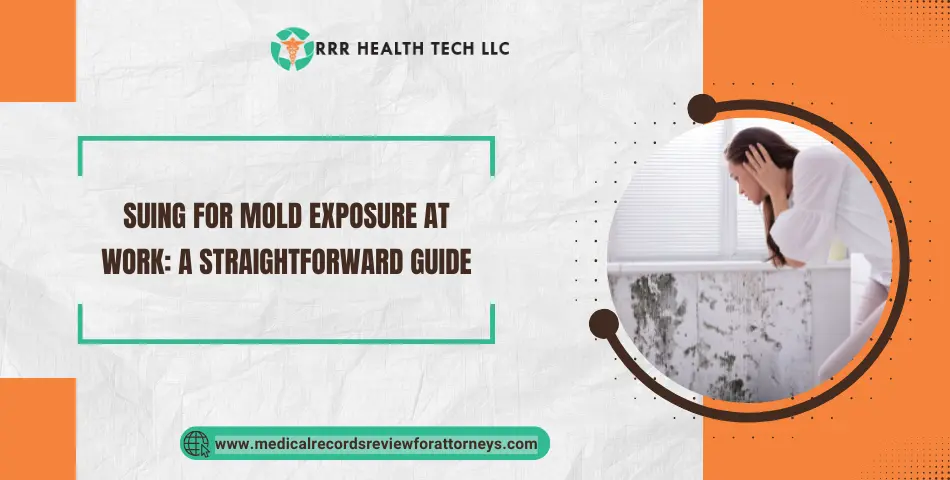
Mold in the workplace is more than an annoying stain; it can chip away at workers health and productivity. Knowing the legal paths open to harmed employees is the first step toward fair compensation. This guide walks you through the steps of bringing a lawsuit over job-related mold exposure, explains how medical records shape your claim, and details actions you can take today to stand up for your rights.
Understanding Mold Exposure in the Workplace
What Is Mold?
- Definition: Mold is a fast-growing fungus that spreads in damp areas and often releases tiny spores that people breathe in.
- Health Risks: Even brief contact can trigger coughing, headaches, skin irritation, and in serious cases long-term lung damage.
Common Sources of Mold in Workplaces
- Water Damage: Dripping roofs, hidden pipe leaks, or neglected HVAC ducts can soak drywall and carpet, giving mold the warm, dark home it loves.
• Poor ventilation: When air can’t move freely, humid air lingers, moisture builds up, and that creates an ideal breeding ground for mold.
• Humidity: Excess moisture in the air, common in basements and bathrooms, feeds mold spores and helps colonies spread quickly.
Legal Rights for Mold exposure Victims
Workers Compensation and Toxic Tort Claims
• Workers compensation: Usually, mold-related sicknesses at work are covered by this system, which pays for doctors’ bills and lost pay but blocks lawsuits against the employer.
• Toxic-tort action: If poor mold control stems from the employer’s outright neglect or a third persons harmful act, the worker can launch a toxic-tort suit, which opens doors to added damages.
Basic Legal Ideas
• Duty of care: Employers must keep the workplace safe, and that duty includes controlling moisture and mold.
• Breach of duty: When a company ignores warning signs, delays repairs, or skims on ventilation, it may cross the line and become legally responsible.
• Causation: Employees must prove their sickness or allergy can be traced back to mold exposure in the building where they worked.
Steps to Follow if You Find Mold exposure at Work
Document the Mold Problem
Photographic Evidence: Snap clear photos of any visible patches of mold and any spots where water has damaged walls, ceilings, or furniture.
Record Symptoms: Write down any headaches, coughing, skin rashes, or other problems as they appear, noting dates so the pattern is obvious.
Report the Issue
Notify Your Employer: Give your supervisor or the HR office a short, polite email describing the mold, where you found it, and the symptoms you link to it.
Seek Medical Attention
Consult a Healthcare Provider: See a doctor if the symptoms worsen. Ask for copies of the exam notes so you can show whether mold at work contributed to your condition.
File an OSHA Complaint
Involve OSHA: When the company still does not act, call or go online to file an OSHA complaint and explain why you believe the workplace is unsafe.
Consult an Attorney
Legal Guidance: Talk with a lawyer who focuses on toxic exposure and job safety; they can review your evidence and tell you what steps make sense.
The Role of Medical Records Review
Importance of Medical Documentation
- Evidence of Health Impact: Clear notes, lab tests, and treatment plans in your files link growing mold at work to the problems showing up in your body.
- Support for Legal Claims: When your attorney studies those records, they can prove how the exposure hurt you and calculate the costs you deserve.
How Medical Records Review Services Assist Attorneys
· Detailed Analysis: Health record specialists sift through pages of notes, flagging the facts that back up a client’s legal argument.
· Timely Access: Fast delivery of those notes lets lawyers answer questions right away and start shaping a tougher case.
Case Studies
Case Study 1: Employee Mold Exposure in an Office Building
· Overview: An office worker fell ill with breathing problems after sitting for weeks in a room full of hidden mold.
· Challenges: The firm still needed to connect the spores to the symptoms on paper so the jury could see it.
· Solutions: The records were read line by line, a doctor briefed, and the link between exposure and illness laid out with credibility.
Case Study 2: Mold in a School Environment
· Overview: A teacher suffered fierce allergic attacks every time she stepped into her classroom, where damp walls quietly bred fungus.
· Challenges: At first the school claimed the air was fine and the mold poses no serious threat, so liability went out the window.
· Solutions: Photographs, air samples, and the teachers notes were matched to her medical charts, forcing the district to settle.
Conclusion
Taking legal action for mold exposure on the job is rarely simple, because workers must grasp both their rights and their employer’s duties. By keeping clear notes about the problem, getting prompt medical care, and talking with lawyers who know toxic-tort cases, employees can move through the system with greater confidence. An honest review of those medical records can add credible proof to the claim and help victims secure the money they need to rebuild their lives.