Introduction
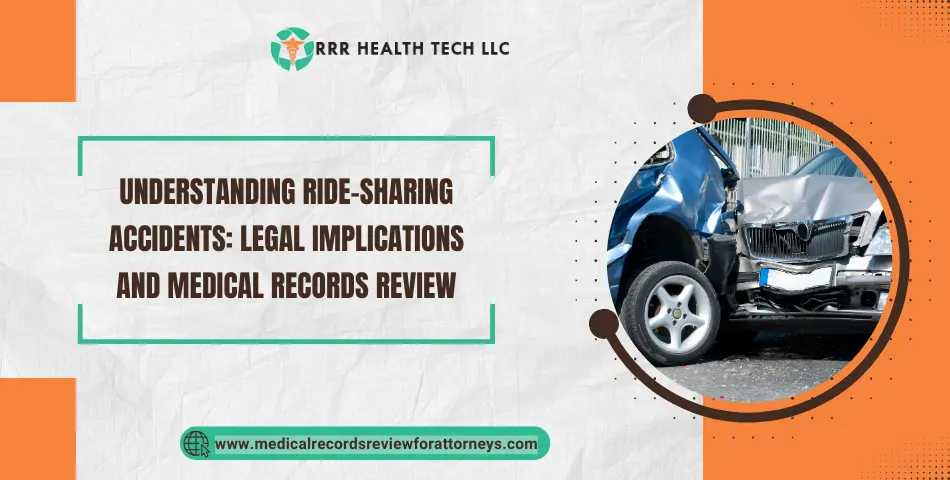
The rise of ride-sharing services like Uber and Lyft has transformed transportation, but it has also introduced complex legal challenges. Understanding the legal implications of ride-sharing accidents is crucial for attorneys representing clients in these cases. This article provides a comprehensive overview of ride-sharing accidents, liability issues, and how medical records review can support legal claims.
Definition of Ride-Sharing Accidents
The Landscape of Ride-Sharing Accidents
- Ride-Sharing Accidents: Incidents involving vehicles operated by ride-sharing drivers, which can result in injuries to passengers, other drivers, or pedestrians.
Common Causes of Ride-Sharing Accidents
- Distracted Driving: Drivers using their phones for navigation or communication.
- Speeding: Drivers rushing to complete rides.
- Poor Vehicle Maintenance: Inadequate vehicle checks leading to mechanical failures.
Legal Framework Surrounding Ride-Sharing Accidents
Liability in Ride-Sharing Accidents
- Driver Liability: Determining if the driver was negligent during the accident.
- Company Liability: Understanding when the ride-sharing company may be held responsible for the driver’s actions.
Types of Insurance Coverage
- Commercial Insurance: Ride-sharing companies typically provide insurance coverage for drivers while they are on a ride.
- Personal Insurance: Drivers may also have personal auto insurance, which can complicate claims.
Key Considerations for Attorneys
Establishing Negligence
- Duty of Care: Ride-sharing drivers owe a duty of care to their passengers and other road users.
- Breach of Duty: Identifying how the driver failed to meet this duty (e.g., distracted driving).
Gathering Evidence
- Accident Reports: Obtaining police reports and witness statements.
- Medical Records: Essential for substantiating injury claims and linking them to the accident.
The Role of Medical Records Review in Ride-Sharing Cases
Importance of Medical Records
- Establishing Injury Severity: Medical records provide evidence of the extent of injuries sustained in the accident.
- Linking Injuries to the Accident: Demonstrating how the injuries directly resulted from the ride-sharing incident.
Our Services for Attorneys
- Thorough Review: We analyze medical records to extract relevant information that supports the case.
- Expert Insights: Our team provides insights on medical conditions that may impact the case outcome.
Current Trends and Statistics (2024)
- Increase in Ride-Sharing Accidents: Recent data shows a 20% increase in ride-sharing accidents compared to previous years.
- Average Settlement Amounts: The average settlement for ride-sharing accident claims has risen to $45,000, reflecting increased awareness and legal scrutiny.
Common Questions About Ride-Sharing Accidents
Who is Liable in a Ride-Sharing Accident?
- Liability can fall on:
- The driver
- The ride-sharing company
- Other parties involved in the accident
What Should I Do After a Ride-Sharing Accident?
- Immediate Steps:
- Seek medical attention
- Document the scene and gather witness information
- Report the accident to the ride-sharing company
Case Studies
Case Study 1: Passenger Injury in a Ride-Sharing Accident
- Overview: A passenger was injured when their ride-sharing vehicle was struck by another car.
- Challenges: The ride-sharing company initially denied liability, claiming the driver was not at fault.
- Solutions: We reviewed medical records that documented the passenger’s injuries and treatment, establishing a clear link to the accident.
Case Study 2: Driver Liability in a Ride-Sharing Accident
- Overview: A ride-sharing driver was involved in an accident while transporting a passenger, resulting in injuries to another driver.
- Challenges: The other driver claimed the ride-sharing driver was speeding and distracted.
- Solutions: Our analysis of medical records and accident reports helped establish the ride-sharing driver’s negligence.
Conclusion
Navigating the legal implications of ride-sharing accidents requires a thorough understanding of liability, insurance, and the importance of medical records. By leveraging medical records review services, attorneys can build stronger cases and advocate effectively for their clients. This comprehensive guide serves as a valuable resource for legal professionals dealing with the complexities of ride-sharing accidents.