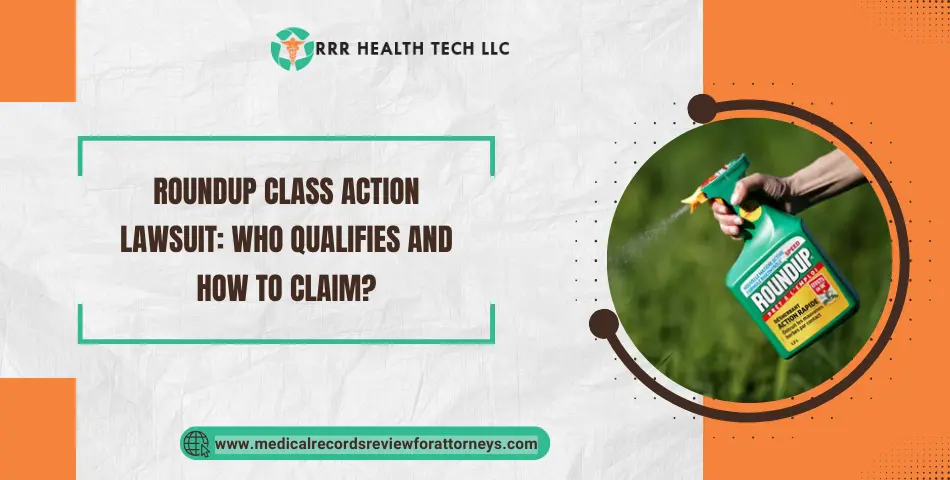
The Roundup class action lawsuit is one of the most prominent legal disputes of recent times. This is due to thousands of individuals who developed cancer because of using the widely popular herbicide.
Many victims are trying to seek justice and compensation through the legal system, as evidence is mounting suggesting that glyphosate, the active ingredient in Roundup, is linked to various forms of cancer.
If you have been diagnosed with cancer after using Roundup, knowing the relevant information and your possible course of action is extremely important.
Who Qualifies for a Roundup Class Action Lawsuit?
1. Eligibility Criteria
To qualify for a Roundup lawsuit, you will need to fulfill certain criteria that this herbicide’s exposure and resultant cancer diagnosis claims for you. Some primary eligibility criteria are:
Cancer Diagnosis: A qualifying cancer type needs to be diagnosed for you. In the case of Roundup lawsuits, the primary cancer is non-Hodgkin’s lymphoma; however, others like chronic lymphocytic leukemia and multiple myeloma may also qualify.
Exposure History: You must show a history of significant exposure to Roundup. This includes consistent use of herbicides for gardening, landscaping, farming, or as part of employment. A single instance of exposure to the product, provided it was significant, can also be sufficient.
Timeline: There is an interval between cancerous growth and the usage of the herbicide Roundup, which must be in a very close range of using Roundup to Diagnosing cancer. Most of the cases reported about people using Roundup for years before getting a cancerous growth.
Medical Documentation: You will require a file that has detailed records of every Visit to the Hospital for the diagnosis of cancer, the treatment was documented, and every piece of information that can aid in substantiating your medical concerns.
2. High-Risk Groups
Some high-risk groups might have greater risk factors and stronger claims in Roundup class action lawsuit:
- Agricultural Workers: These include farmers, farmhands, and agricultural specialists who relied on Roundup as part of their crop management.
- Landscapers and Groundskeepers: Specialists who apply Roundup routinely for vegetation control measures.
- Home Gardeners: People who use Roundup frequently for the maintenance of home gardens and lawns.
- Golf Course Maintenance Staff: Employees who met Roundup through maintenance work on the courses.
Legal Proceedings and Settlements in Roundup Class Action Lawsuit
Roundup litigation has unfairly enriched many litigants with huge jury awards and settlements. Bayer, the manufacturer of Roundup, has agreed to pay more than $10 billion to resolve pending litigations and for estimates of future claims.
But the average payout for Roundup class action lawsuit compensation depends largely on:
- Diagnosis of cancer and its severity.
- Length and severity of exposure to Roundup.
- Age at which the individual is diagnosed.
- Life quality indicators post diagnosis.
- Healthcare costs and earnings are forgone.
Most affected participants in this legal suit have been compensated to the tune of billions, with the average payout in the lower range Duking award variable.
Ongoing Trials, Appeals, and Legislative Efforts Surrounding Roundup Class Action Lawsuit
The legal case about Roundup is still changing. Notable advancements include:
Ongoing Litigation: While there are some pre-ordained deadlines for filing Roundup lawsuits in certain areas, new cases are emerging. If you believe you have a claim, it is vital to seek legal advice immediately.
Appeals Process: There are still some major settlements pending appeals, which will most likely impact future negotiations and legal approaches.
Regulatory Changes: The EPA still has an ongoing review of the safety of glyphosate. This can be a strong influencing factor towards the outcome of any future litigation.
How to File a Claim for the Roundup Class Action Lawsuit
Acting quickly is the most prudent way if you believe you are eligible for a Roundup class action lawsuit.
- Gather Documentation: Try to get all medical documents, including the expense records showing purchases of Roundup, and any exposure evidence.
- Consult with a Qualified Attorney: Try to get the best specialist for a Click here to find out more details roundup lawsuit. They should have a proven record of winning such a type of litigation.
- Medical Evaluation: Make sure to obtain comprehensive records of your cancer diagnosis and the symptoms associated with it, and all the round-up-related ailments suffered after exposure.
- Timeline Considerations: These periods also differ from one state to another, so make sure you pay attention to any deadlines associated with your situation.
For a Roundup case, the proof required includes medical records, purchase receipts, a detailed account of witness testimony, and an exposure history dossier.
Conclusion
The Roundup class action lawsuit serves as a pivotal platform for cancer victims to find justice and monetary reparations. Victims of cancer after the use of Roundup might be entitled to substantial compensation. The most important factor is expediency and collaborating with specialized attorneys proficient in Roundup litigation.
Frequently Asked Questions
What is the average payout for the Roundup class action lawsuit?
The average payout varies significantly based on case specifics, ranging from thousands to millions of dollars. Severe cases with clear causation typically receive higher settlements.
How much is the Roundup claim?
Individual claim values depend on factors like cancer severity, exposure duration, medical expenses, and lost wages. Bayer has allocated over $10 billion for settlements.
Is there a lawsuit for Hodgkin’s lymphoma?
While non-Hodgkin’s lymphoma is the primary focus, some Hodgkin’s lymphoma cases may qualify depending on specific circumstances and medical evidence.
What is the controversy with Roundup?
The controversy centers on allegations that Roundup’s active ingredient, glyphosate, causes cancer, and that Bayer (formerly Monsanto) knew about these risks but failed to warn users adequately.
Act now! Compounding deadlines are approaching; therefore, timely action is more likely to yield just outcomes. If you are asking yourself, “Why haven’t I received my Roundup settlement check?” or “When will Roundup settlements be paid?” a professional lawyer should be able to consult you on these matters.
Reach out to a seasoned Roundup lawsuit attorney for consultations where you unlock expert insight on your case and assess your legal avenues.