Introduction
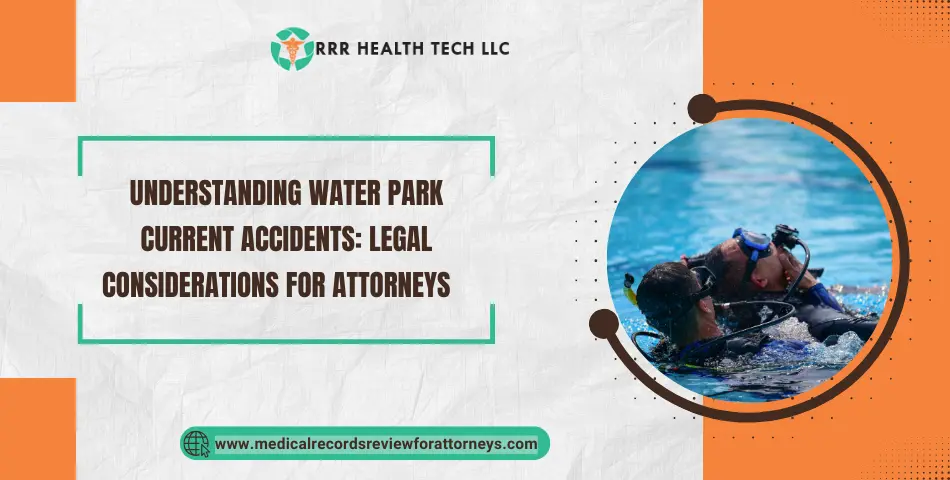
As family entertainment centres, water parks rank high. Despite this, injuries may occur, and in some cases, legal action must be taken. In regard to managing waterparks expenses, the purpose of this article is to inform legal practitioners on Medical records analysis with respect to water park injuries.
Water Park Accidents – An Overview
Although water parks are designed for fun, the facilities can be dangerous, especially when proper caution is not observed. Understanding the nature of these accidents is crucial for legal practitioners.
- Statistics: According to the National Association of Amusement Ride Safety Officials, thousands of injuries occur at water parks each year.
- Common Causes: People falling off slides, failure of equipment, shortage of attendants, and lack of seating accommodation facilities often contribute to accidents.
Water Parks Legal Obligations
Water park managers or owners have the obligation to the public to take all reasonable steps to protect their safety, health and welfare. This section outlines the legal duties.
Negligence: A swimming pool owner can be liable for negligence if he does not operate the pool in a safe manner and provide safe conditions. Regulatory Compliance: Parks are required by local and state laws to take safety measures and perform regular check-ups for damages.
Common Types of Injuries
Attorneys use these as evidences for making strong cases. Each and every water park has clients who get injured in diverse vectors.
• Slip and Fall Injuries: Result from wet environments and neglected areas.
• Drowning Incidents: Result from a lack of supervision by the appropriate personnel.
• Ride Trauma: Sustained injury on rapid descents or as a result of equipment failure.
Why an Examination of Medical History Records can be Essential
To build a suitable case relating to accidents occurring in a waterpark, a waterpark medical record is imperative. As to why these records are important, consider the following:
• Documenting the Injury: Such records document the injury sustained, the treatment offered, and medical forecasts.
• Proving Negligence: These records can prove a certain degree of negligence on the part of the office management.
What Should Be Done After Such an Injury Accident?
In case of an accident in waterparks, management should inform their clients about the advisable actions to consider.
- Immediate Medical Help: Injuries should invite immediate medical surgical attention.
- Take the Pictures: Ask witnesses to give detailed verbal statements as well as take detailed photographs.
- Advanced Reporting: Inform the supervisors formally and submit the necessary paperwork.
- Get a Legal Counsellor: Their services are important to ease the burden of plans overload.
Case Study
Case Study1 – waterparks slip and fall investigation.
Summary: A family took a holiday trip to the waterpark. One of the kids fell down and broke his arm.
Challenges: The Park claimed no liability arguing children were stomping around noisily.
Solutions: Analysis of the child’s medical records indicated that the injury sustained required surgical intervention.
Compensation: The settlement included payment for medical treatment in addition to compensation for pain and suffering.
Case Study 2: Drowning Incident
Overview: An adult drowned as a result of insufficient lifeguard coverage in a wave pool.
Challenges: Without any proof, it was nearly impossible to show negligence.
Solutions: Analysis of lifeguard logs alongside testimonies revealed supervision gaps that proved negligence.
Compensation: The family received monetary compensation for the wrongful death of their family member.
Conclusion
Accidents in water parks can result in critical injuries as well as multifaceted legal issues. For legal practitioners, navigating through medical documentation, determining the responsibilities water parks have, and investigating these incidents poses a challenge. Following the provided case studies and strategies allows legal representatives to better address the complex processes involved when dealing with water park injury claims.