
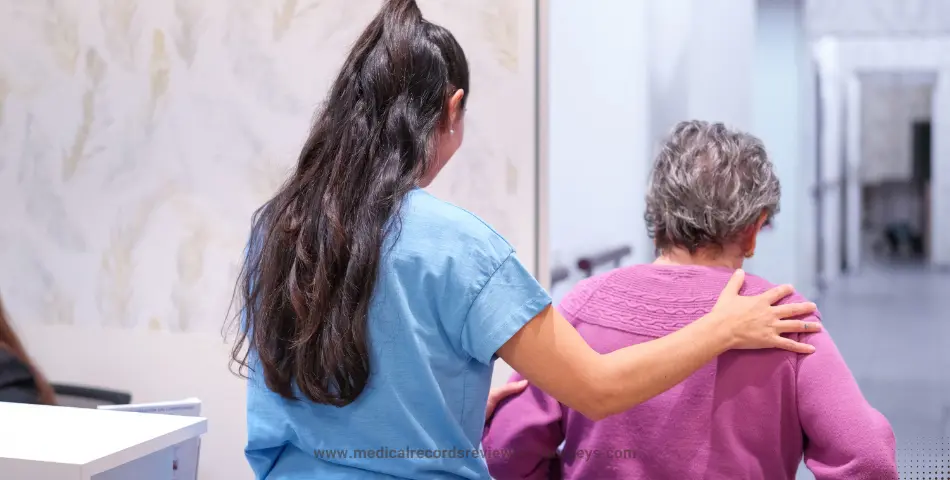
Nursing Home Negligence is one of the most important problems that lawyers deal with in elder abuse litigation. Among the possible indicators of neglect, bedsores, also known as pressure ulcers, are one of the most telling. Neglecting bedsores is a serious lapse in the quality of care afforded to individuals, and in many cases, helps to support nursing home neglect allegations.
For many attorneys, it is critical to understand the possible consequences of having untreated bedsores, how and why they are legally developed, and the tactics that should be employed to obtain justice. In this case, how attorneys specializing in nursing home negligence should prepare to obtain the highest possible reimbursement while protecting their most defenseless clients.
Understanding Bedsores: A Critical Indicator of Nursing Home Negligence
Bedsores are a consequence of immobility. In nursing homes, residents are often cared for in such a way that, by design or default, they are left in the same position for long periods of time. The absence of being moved is often a strong indicator of a care deficit in nursing homes. In fact, nursing home abuse and neglect stories often begin with bruises, odd marks, or bedsores that are the first warning signs of serious problems.
For many lawyers, being able to demonstrate that a client acquired bedsores as a result of a failure to supervise or understaffing has the potential of changing a losing case into a winning nursing home negligence case.
Legal Implications for Attorneys Handling Bedsore Cases in Nursing Homes
Lack of care is often illustrated by the presence of bedsores on the body of a patient in a nursing home. Nursing home negligence litigations are strengthened by the presence of bedsores. Most pressure sores can be prevented with routine care such as regular repositioning, skin checks and good nutrition, so their presence often points to a lapse in care. They are indicators of a lack of appropriate care which translates into negligence or even malpractice in a nursing home.
Attorneys should be prepared to:
- Review the resident’s medical and nursing records.
- Consult medical experts to connect bedsores to nursing home neglect resulting in death or severe injury.
- Identify whether the facility violated federal or state regulations.
Assessing Damages and Potential Claims in Nursing Home Negligence Cases Involving Bedsores
The degree of neglect directly correlates with the level of damages that can be claimed and compensated. Attorneys may seek reimbursement for:
- Medical expenses related to treatment and surgeries.
- Pain and suffering, especially if clients endured prolonged suffering.
- Wrongful death claims, where nursing home neglect resulting in death occurred.
The compensation paid for a case which involves neglect in a nursing home usually consists of both economic and non-economic damages. In cases of negligence, an attorney must consider in what instances punitive damages must be employed, which in this case, involves negligence which is gross or intentional.
Complications Arising from Untreated Bedsores: Strengthening Legal Claims in Nursing Home Negligence Cases
Untreated bedsores can lead to infection, sepsis and even amputation. For a nursing home negligence attorney, these complications are often clear evidence that the facility failed to provide basic care.
To prove negligence, the attorney must show what care the facility actually provided and how it fell below the accepted standard. The resident’s medical and nursing records are the main evidence for this.
Advocacy for Victims: Reporting Procedures and Legal Representation Strategies in Bedsore Cases Against Nursing Homes
In relation to litigation, the role of an attorney is more complex. A critical component of their role is how to advocate for the victim, which in this case, for members of the family, means how they have to make a case for the nursing home neglect.
Strong representation involves:
- Working with medical experts to link the bedsores to the facility’s failures in care.
- Using a medical chronology to show when the sores first appeared and how staff responded.
- Filing cases promptly to protect clients’ rights under statute limitations.
In the end, to effectively advocate for the clients, one must balance litigation tactics with the degree of support a client requires.
Conclusion
Bedsores are one of the clearest signs of nursing home neglect. Attorneys have to blend medical records with the legal system’s creative prowess. In every bedsore case, a clear record of when the sores appeared and how staff responded is central to proving neglect.
FAQs
How can suspected nursing home neglect be reported?
Suspected neglect can be reported to the state agency that licenses and inspects nursing homes (usually the state health department) or to the state’s long-term care ombudsman program. Attorneys should make sure the report and any supporting evidence are documented, as these records may later support the claim.
Is it difficult to sue a nursing home?
Yes, Suing a nursing home is indeed difficult. Legal defenses and arbitration agreements are almost the order of the day. But for those lawyers specializing in cases of nursing home neglect and malpractice, cases with well-documented bedsores or neglect can be very strong.
What are examples of malpractice in nursing homes?
They can be classified as untreated bedsores, unassisted falls, malpractice in medication, and nursing home neglect and death. With the help of legal representation, abuse of nursing home neglect cases can be pursued.
If you are an attorney handling these cases, an early medical record review helps you confirm the strength of the claim.
At RRR Health Tech, we assist attorneys in case preparation by conducting medical records review, developing negligence case medical chronologies, and performing case consultations. If you need strong legal advice on abuse of neglect in nursing homes, we can help you and your clients get the justice you deserve.